
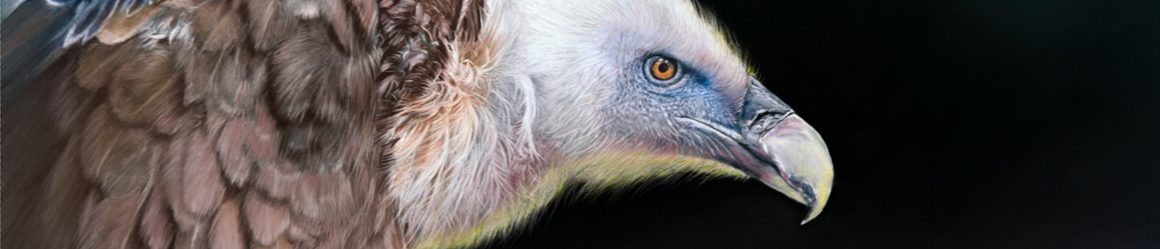
TWASI Visit to Slimbridge – Sunday 7th January 2024
A large group of us met at Slimbridge for an early year Get-Together, and it was lovely to
meet up, eat together and chat – there was a lot of chat! – and to look at the birds.
The weather was cold but sunny, and we had good views from all of the hides, seeing
large flocks of plover and lapwings amongst others.
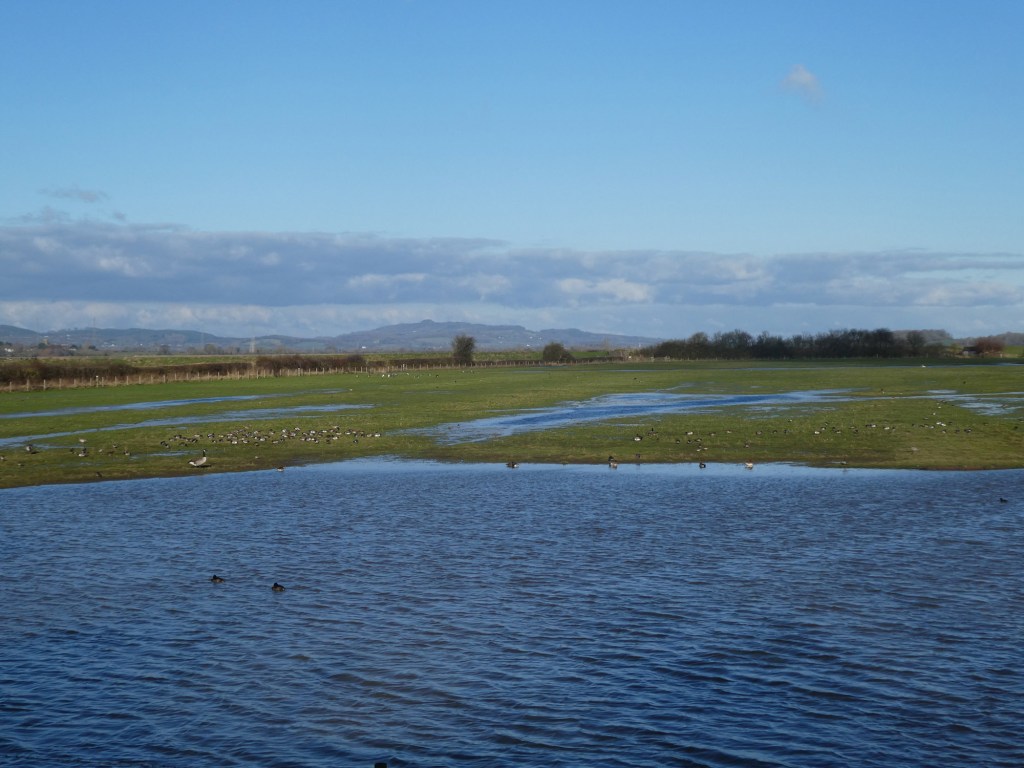
After recent heavy flooding, the fields were full, and all the waterfowl and waders were
making the most of it.
There were also some Bewick Swans, though apparently the numbers are well down
compared to previous years. Milder winters may be causing them to stay further north.
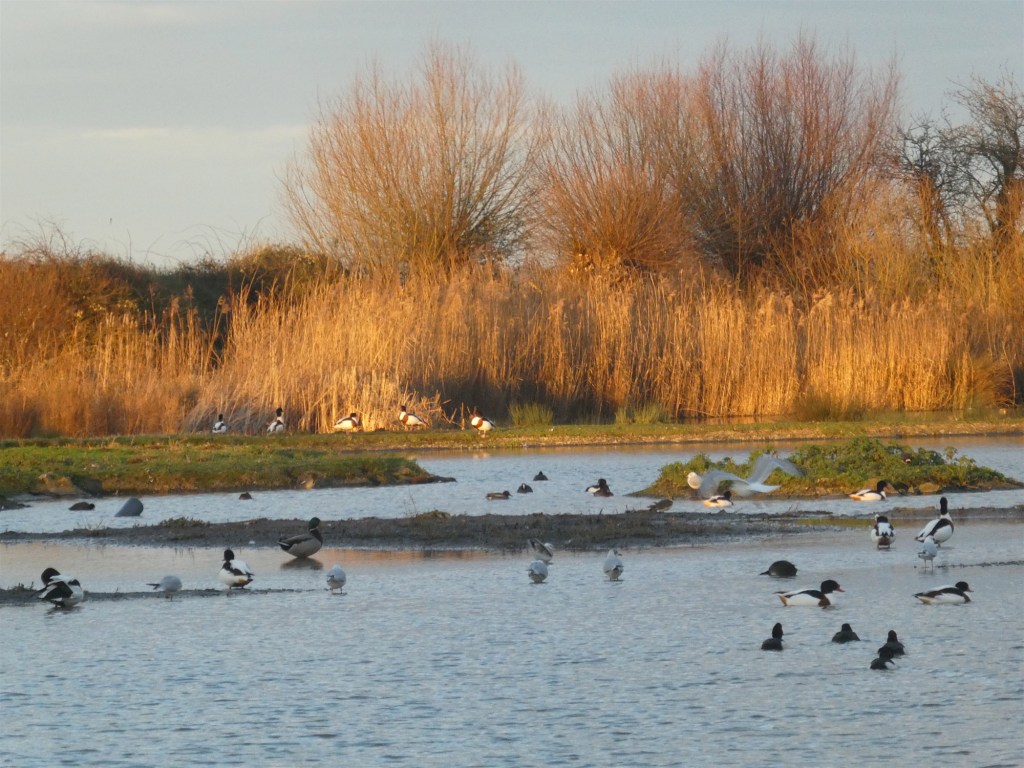
As the day came to a close, some of us waited to see the wild bird feed from the large
hide, and saw many birds flying in and congregating in the glowing evening light.
Sarais Crawshaw


TWASI DAY VISIT TO BATSFORD BIRDS OF PREY CENTRE, MARCH 2024.
A small group of us met at Batsford in March. It was cloudy in the morning and it soon
became rainy after entering the falconry.
The Cotswold falconry is home to a variety of birds of prey, including falcons, eagles,
vultures, owls, hawks, kites and secretary birds. We spent an hour taking photos of the birds
on their perches. We also had a nice view of a herd of deer in a neighbouring field.
Before the first flight display, the rain worsened and turned to hailstones. The falconry team
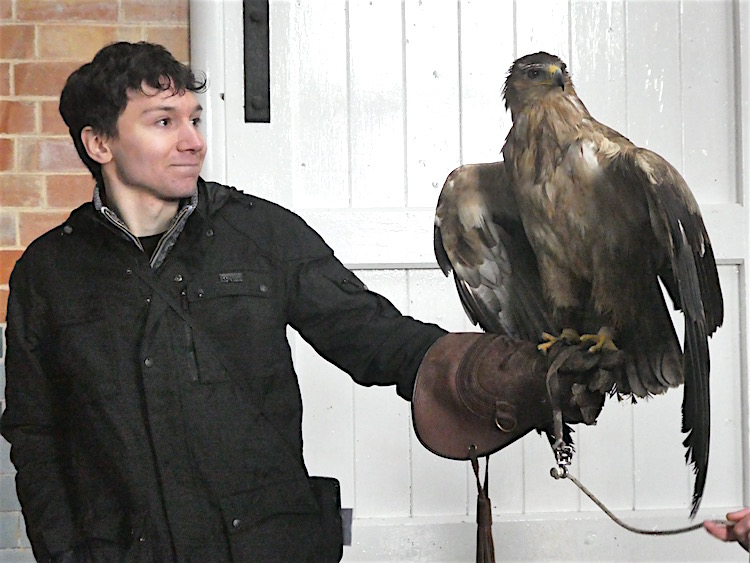
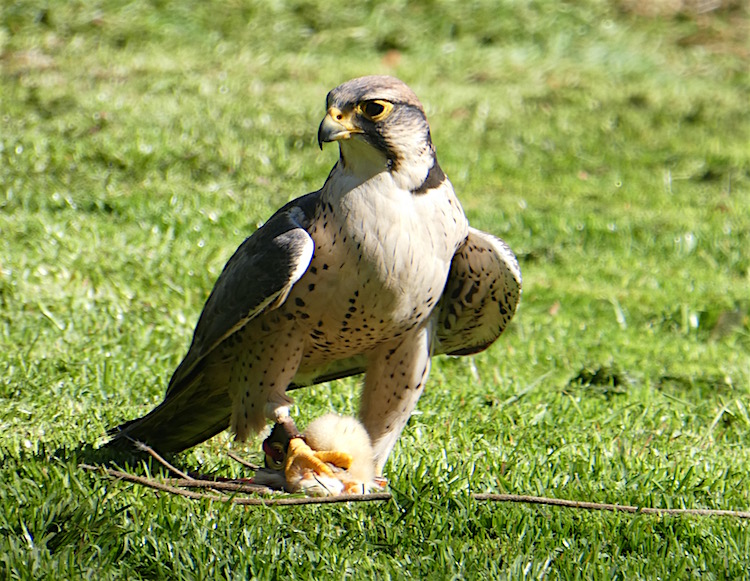
instead decided to show several of the birds indoors and a couple of us took turns to hold
them, including a falcon and a tawny eagle.
Afterwards, we headed to the Garden Centre and had a tasty lunch. Luckily for us (and the
birds), the sun came out in the afternoon.
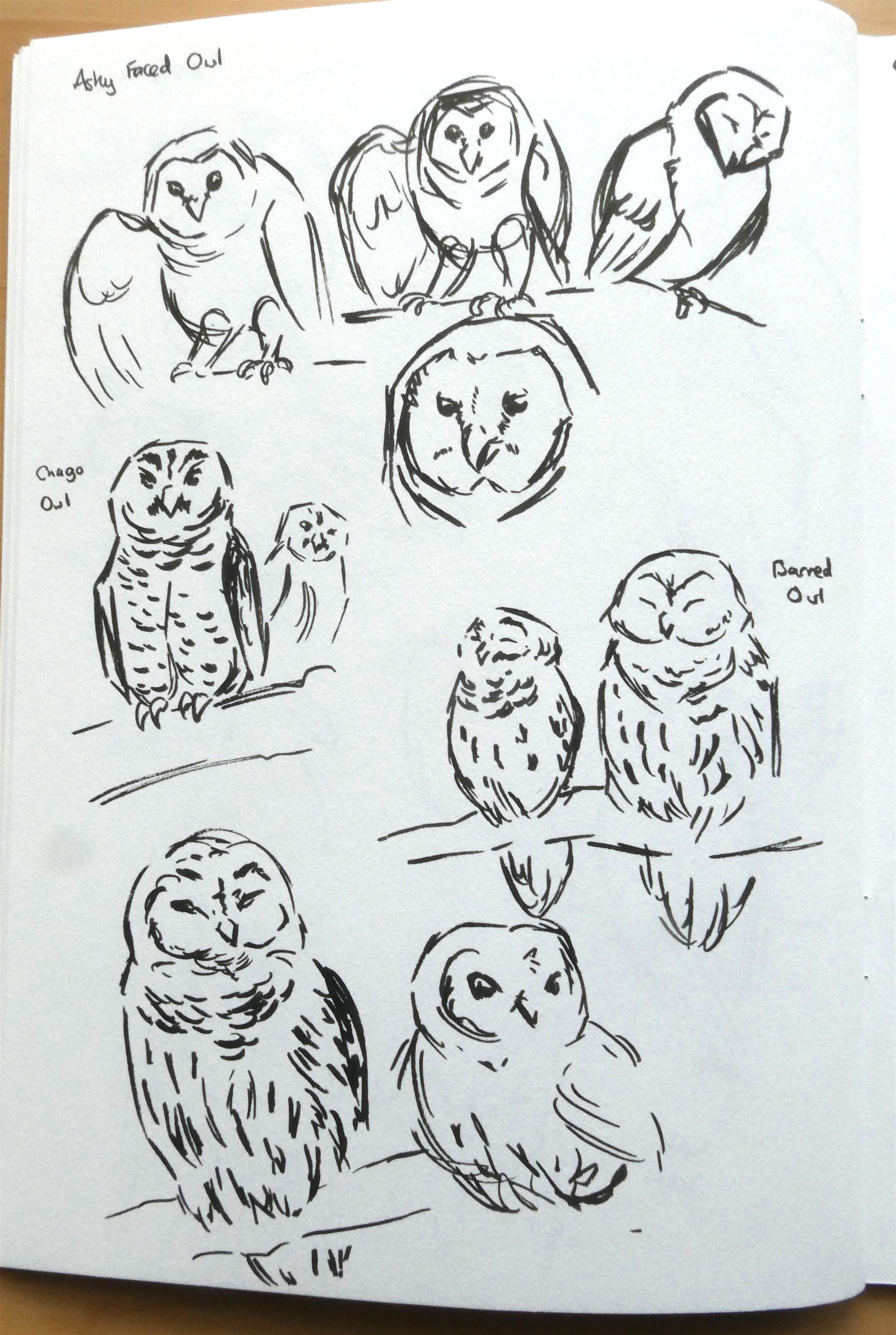
We looked around the birds again and did a bit of sketching. Many of the birds were posed
on their perches and made for good drawing subjects, we especially enjoyed drawing the
owls.
During the afternoon flight displays, several different birds of prey were flown around the
field, including a buzzard, falcons and a turkey vulture. Yeti the Snowy owl got dive-bombed
by a pair of kestrels during her flight. The falconers were very passionate and gave
interesting talks about the birds as they flew.
The falconry is worth a visit to get a close-up look at birds of prey from around the world.
There were plenty of great opportunities to sketch and photograph the birds.
Joseph Powell
TWASI VISIT TO BIRDLAND – SUNDAY 28th APRIL 2024
We nearly didn’t go on this visit! The weather forecast was awful but we’d bought
our tickets on line, so decided we would go anyway! We’re so glad we did!
We hadn’t been for several years and it was considerably improved since our last
visit. Only three of us braved the weather, Chris and I and Sarais.
There are over 130 species of birds at Birdland, from all parts of the world.
The first bird we saw on entering the park, was a very depressed looking Marabou
Stork and who could blame it, it was cold and wet and they come from Africa!
However, the penguins, which we saw next, are always a joy to see and they didn’t
disappoint! There were King Penguins and Humboldt penguins and they don’t
appear to worry about the weather! Two of the King penguins were named Maggie
and Frank!
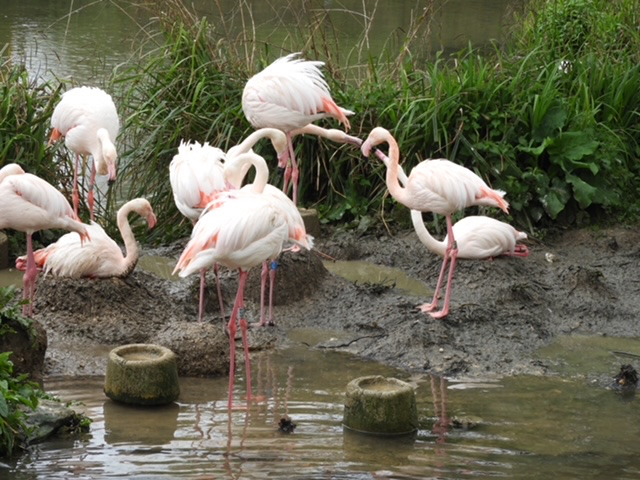
We then spent some time watching the Greater Flamingos, some of which were
building their mud nests. They keep on adding to these even after they’ve laid eggs
in them, to keep the eggs and chicks clear of the water.
The aviaries are roomy and most have foliage in which the birds can hide and nest.
Most of the birds were in pairs or small groups and many were breeding.
The most spectacular nest was that of the Hammerkop. They had built a massive
nest on a ledge in their enclosure. In Africa, in the wild, the nests are added to each
year and can reach 1.5 metres across! Other African birds that we saw were, Red
Crested Touraco, Ground Hornbill, Lilac Breasted Roller and Weaver Birds. The
Weaver birds were in a covered aviary with various other birds and we watched
them constructing their nests, which was fascinating. They really were ‘weaving’ the
nests together.
Taking photographs was not always easy, as the mesh on the aviaries was quite
thick.
We saw various species of parrots, including Lovebirds and Parakeets,
representatives of which can be found on most continents.
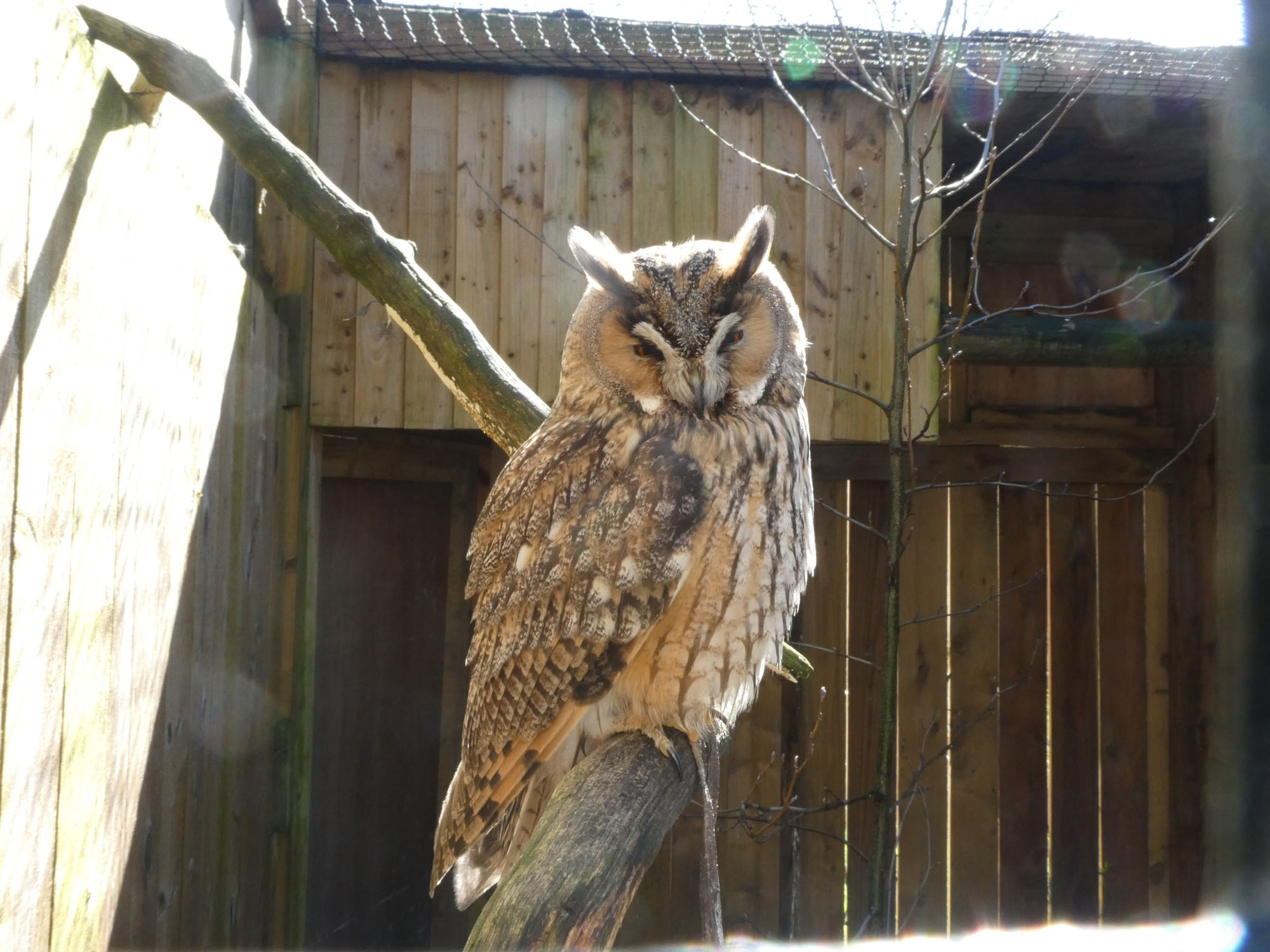
There were several kinds of owls and pheasants and who knew that there are over
300 species of pigeons and doves in the world! Several of these could be seen
here.
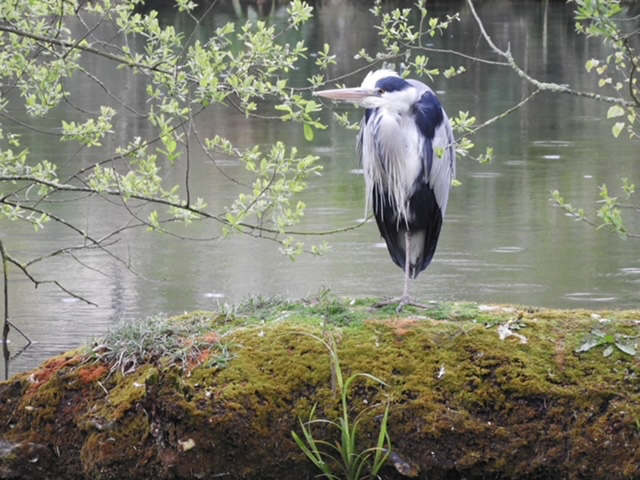
As well as the captive birds, there were several opportunist wild Grey Herons,
which were taking advantage of a regular supply of food and they also provided
good photo opportunities!
Despite the weather, which did improve, we had a good day, helped by a very
pleasant cafe, where we were able to get a light lunch and tea and cake before we
left for home. We were really glad we hadn’t let the weather put us off.
Barbara Saunderson


TWASI VISIT TO BEMPTON CLIFFS – APRIL 2024
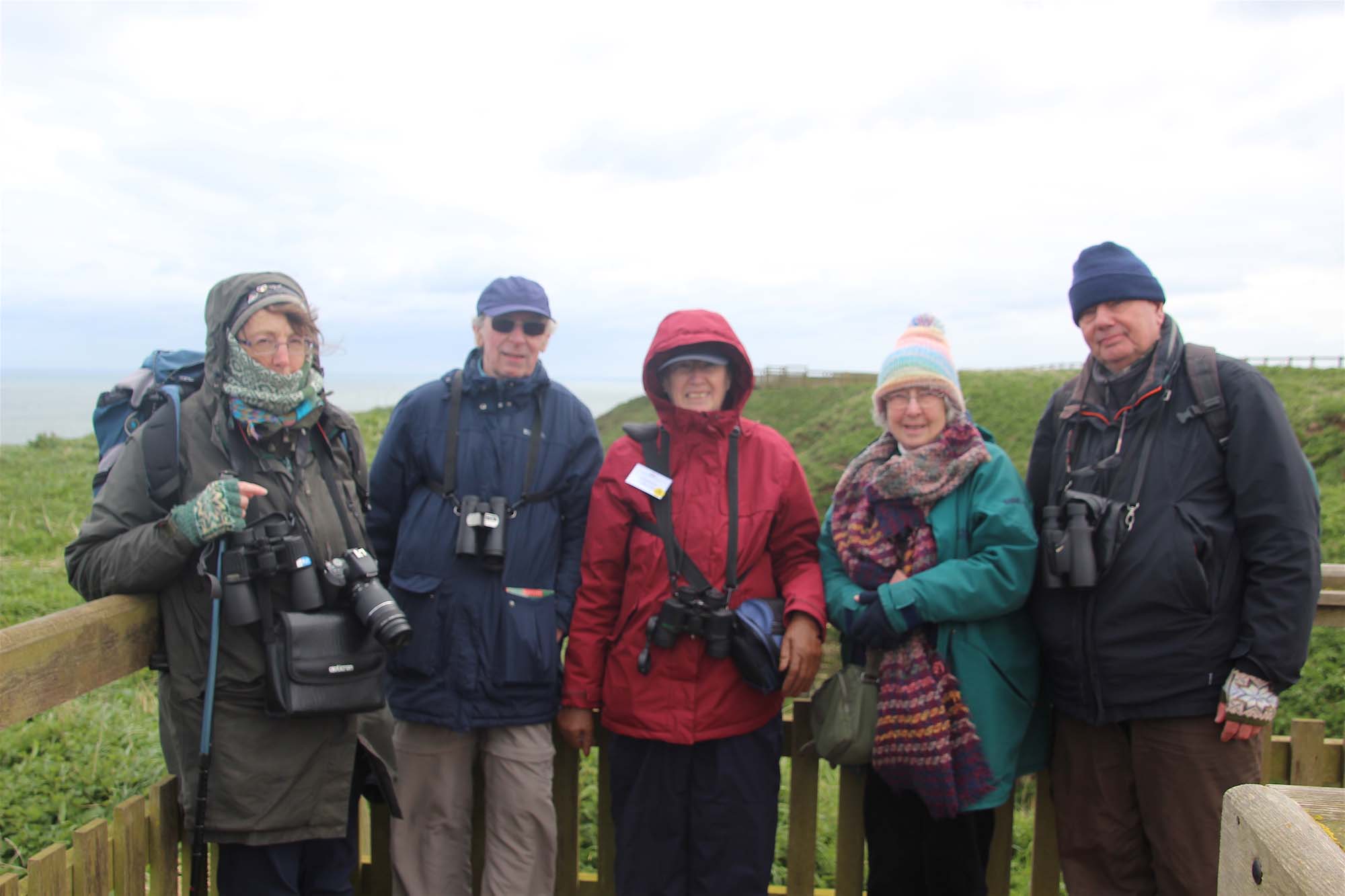
First of all, thank you so much to Helen Rawlings for organising this very special trip.
Helen had arranged a guide, who was very good to us. His expertise was much valued.
The weather was awful with gales and heavy showers but it was really worth it, as the
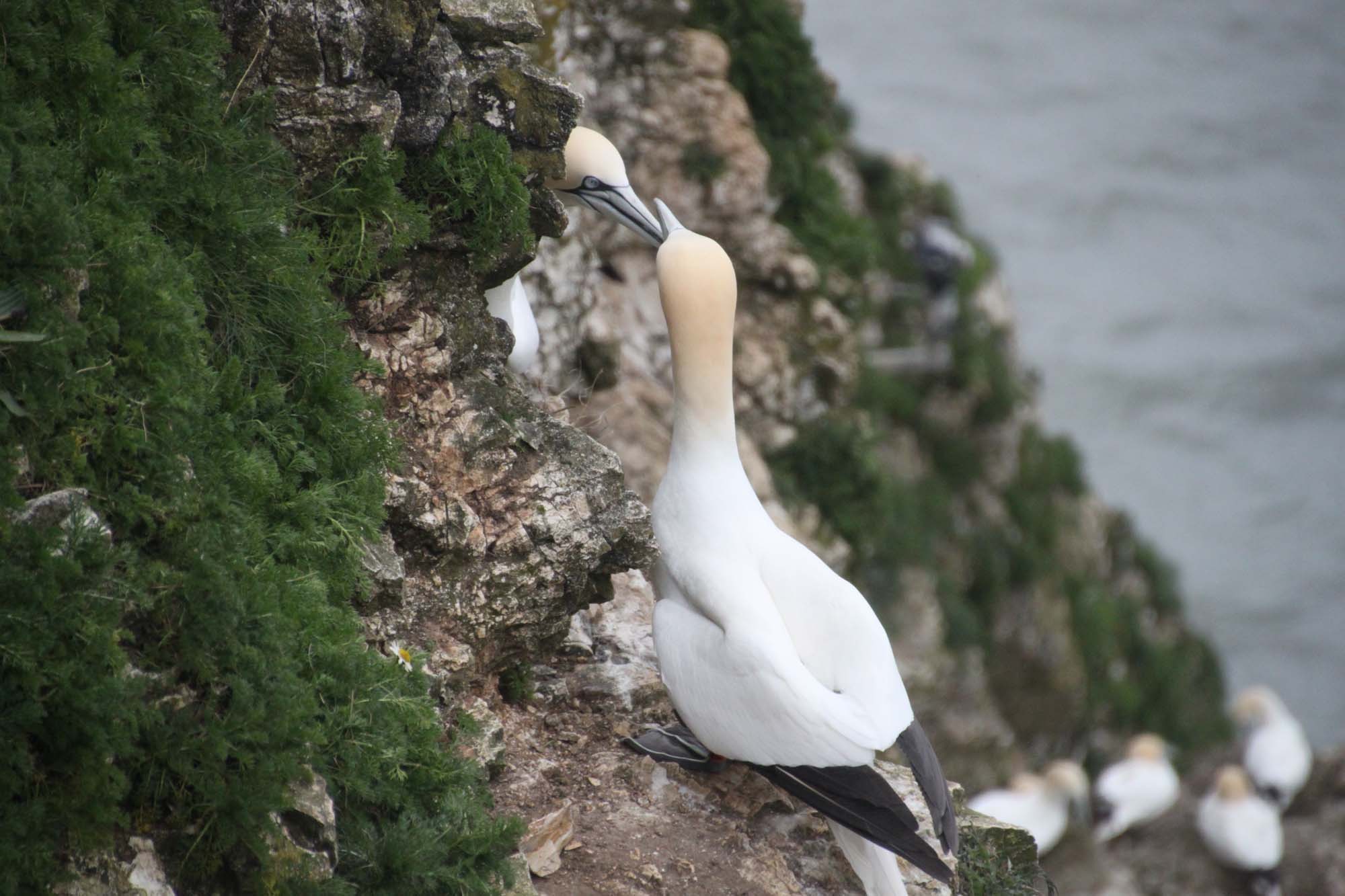
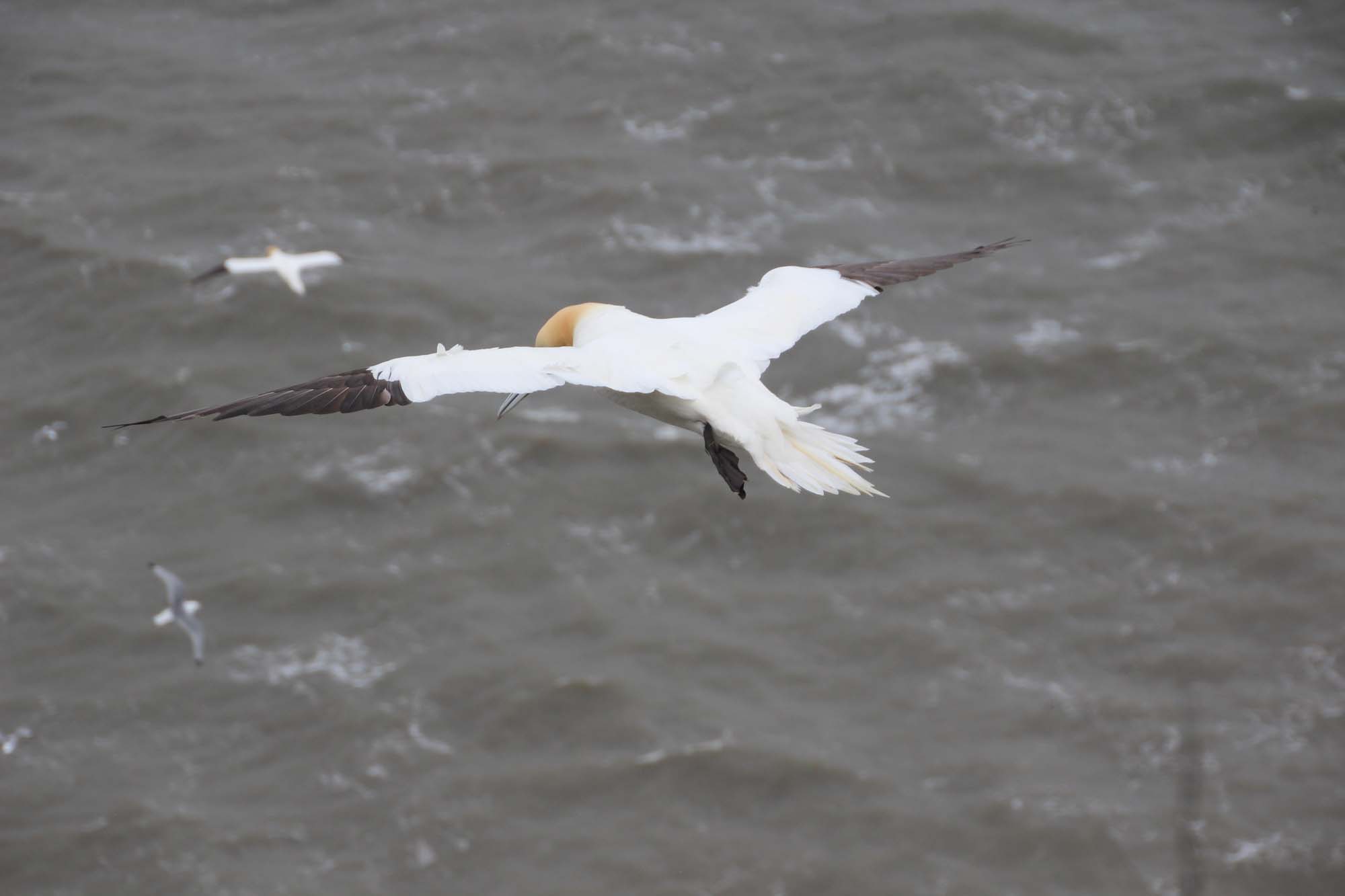
birds came close to the cliff top where we got superb views, especially of the Gannets.
It’s great to know that they are actually increasing in number after the desolation of bird flu
in recent years. It is noted ones who have survived have a dark iris in at least one eye
where it should be the lovely blue.
Guillemots, Razorbills, Kittiwakes and Fulmars were all easy to see as well.
My camera never got packed away as the spectacle of these amazing birds took my
breath away. We did not see the puffins that day but were reassured that they were there.
Their old grassland burrows were being attacked by mammals who had easy ascent to the
top of the cliffs. So they had abandoned them and moved down the cliffs where they used
empty caves where it was safer.
Colin and I had taken our caravan to stay in for a few extra days. The weather calmed
down a little the next day, so we ventured again out to the cliffs. This time we explored
other viewpoints we hadn’t seen on the first day.
That is when we finally saw the puffins. They were with the Gannet colony halfway down
the cliff. My camera could not focus on them very easily but there they are and I got the
shot to prove it.
Rosemary Gowland

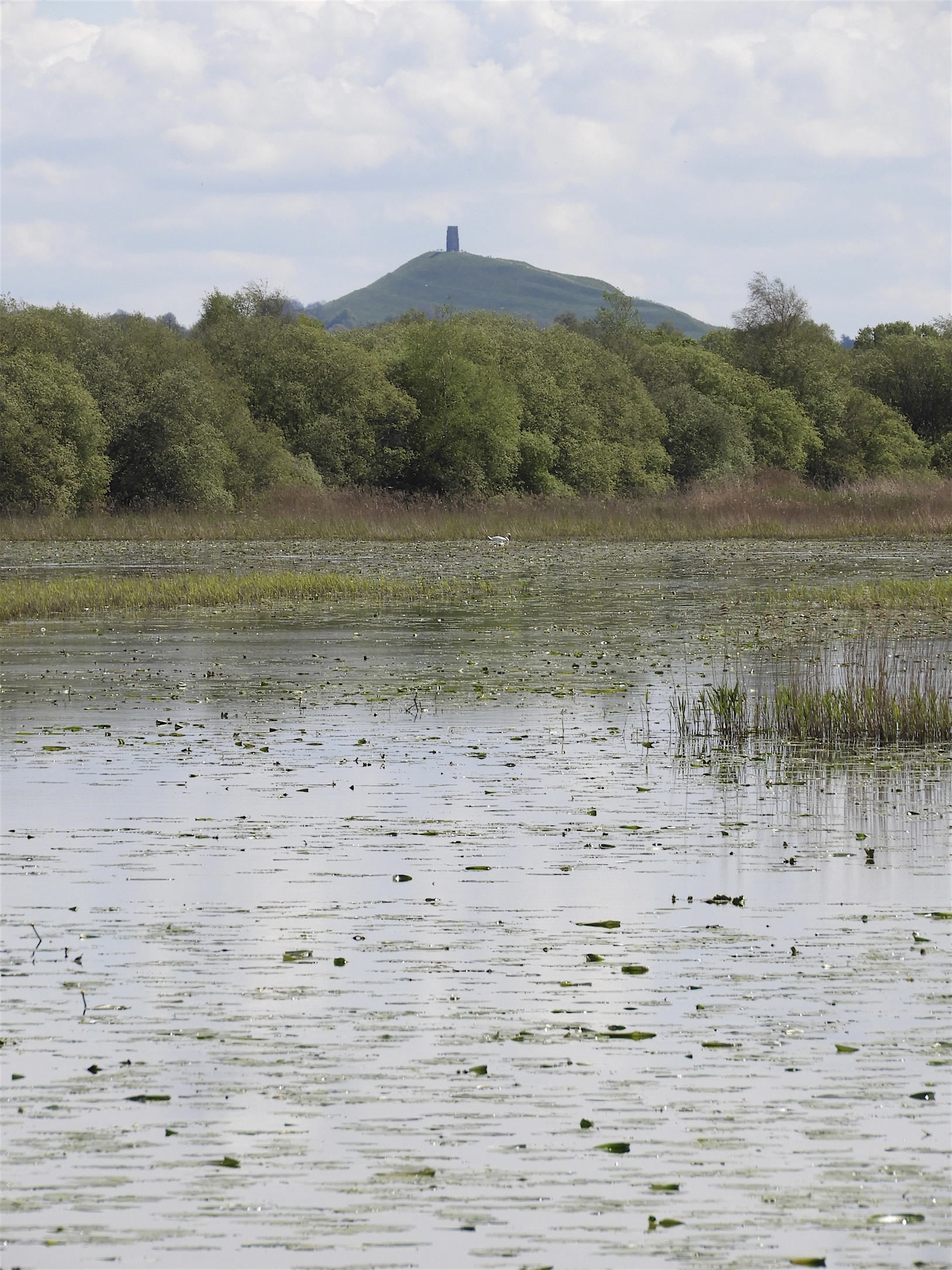
TWASI VISIT TO SHAPWICK HEATH NNR – Saturday May 4th 2024
Initially seven members attended the visit to the Shapwick Heath National nature reserve
on the Somerset levels on the 4 th of May. Unfortunately, due to family commitments, the
visit for some was brief, but thank you all for meeting up on the day. It was a spring day full of promise for great encounters with wetland wildlife, which the
reserves on the Somerset levels are justly renowned for.
After meeting at the Avalon Marsh visitor centre, we headed onto the Shapwick Heath
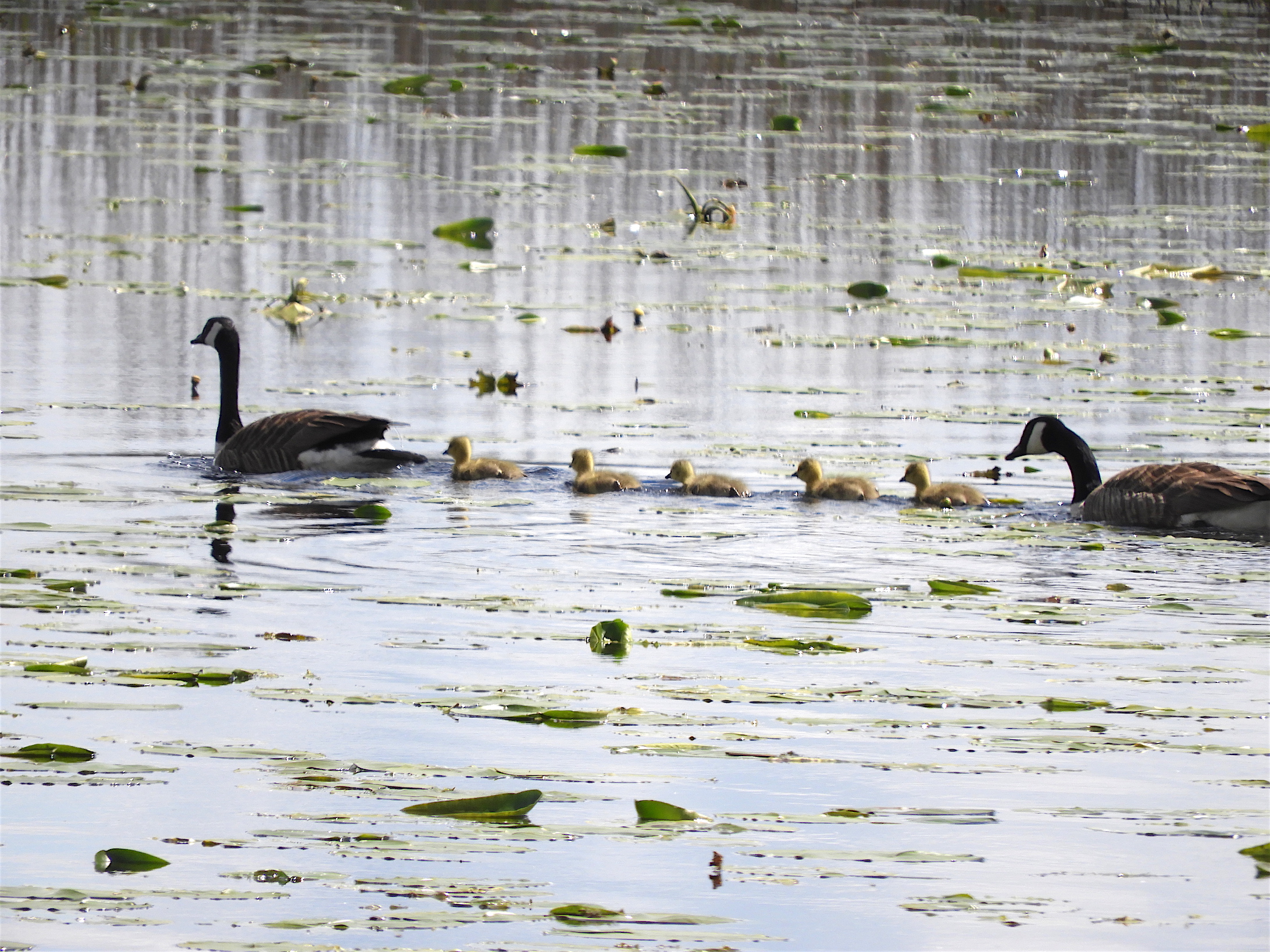
national nature reserve. Together with the adjoining RSPB Ham Wall site, Shapwick has become home to many wetland species that are slowly recovering from long term declines, or indeed extinctions at a national level in the past.
Invertebrates underpin the wetland ecosystem and support encouraging numbers of birds
and mammals which most of us artists tend to focus on. Big hatches of four spotted chaser dragonflies provide rich pickings for migrant hobby, which arrive for the spring and summer months and were much in evidence as we strolled around the reserve.
Marsh harriers are abundant on the Somerset levels and doing well, having recovered
their numbers from just a handful of pairs last century; the dark brown plumage and yellow
ochre head of the females contrasting with the light grey wings of the smaller male.
The otters which, in the past we’ve been lucky enough to see, decided to play their elusive
card and remain in hiding! Maybe we’ll be lucky next time.
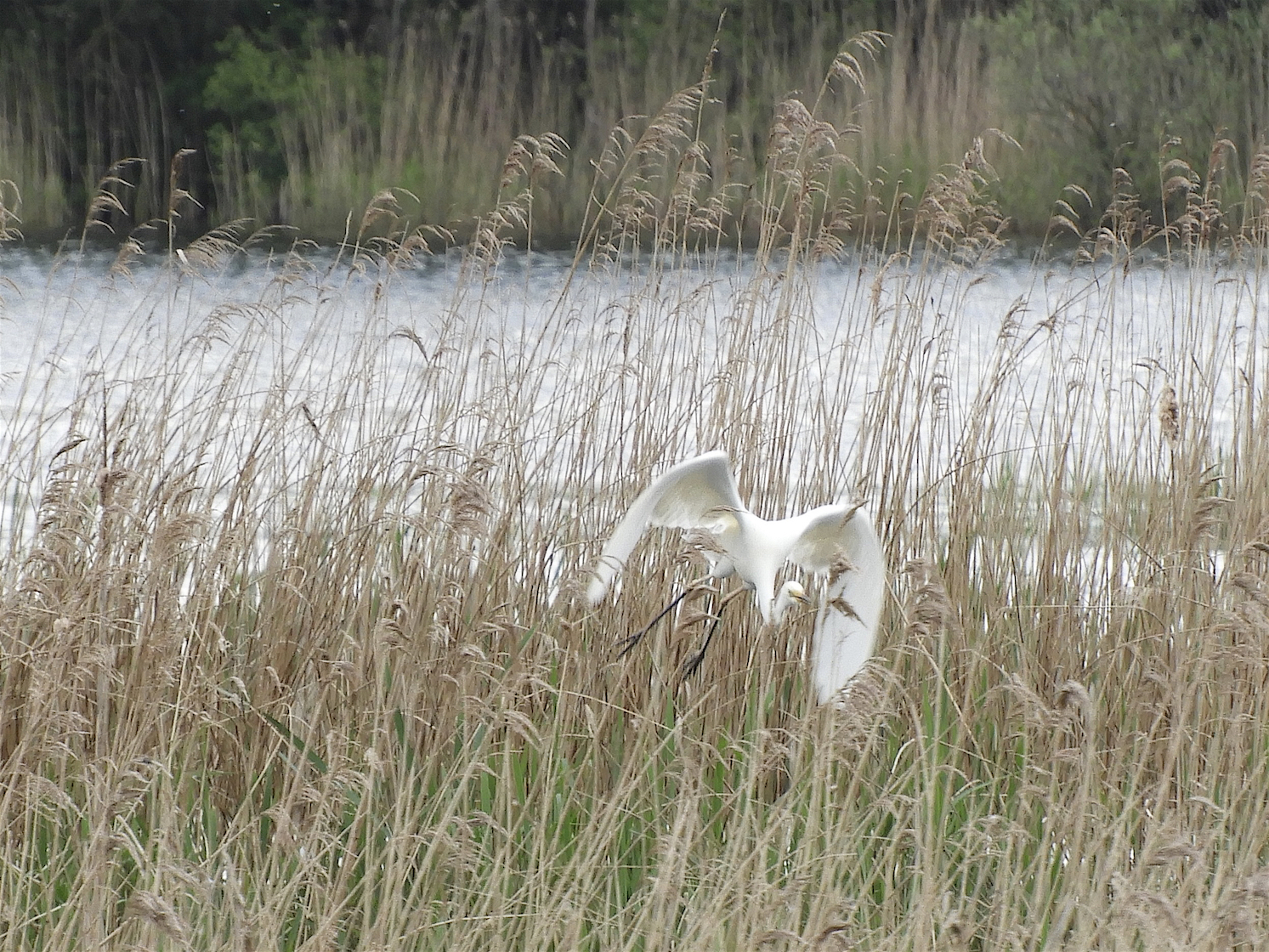
Some of us got good views of Bittern flying low over the reedbed; the males were busily
‘booming’ all around, sometimes five or six at once. Marsh frogs added their own croaky
chorus to the bass booming.
Across much of Britain now, the dawn chorus is a ghost of its past grandeur; I’m pleased
to say though that here, it is still vibrant and full of the glorious song of reed warbler, cetti’s
warbler, reed bunting, song thrush, sedge, willow and garden warbler, whitethroat and our
familiar garden birds, with ducks, geese, bittern and gulls, all adding their own voices to
this unique symphony.
To stand and listen is to bring a smile to your face and raise the spirit.
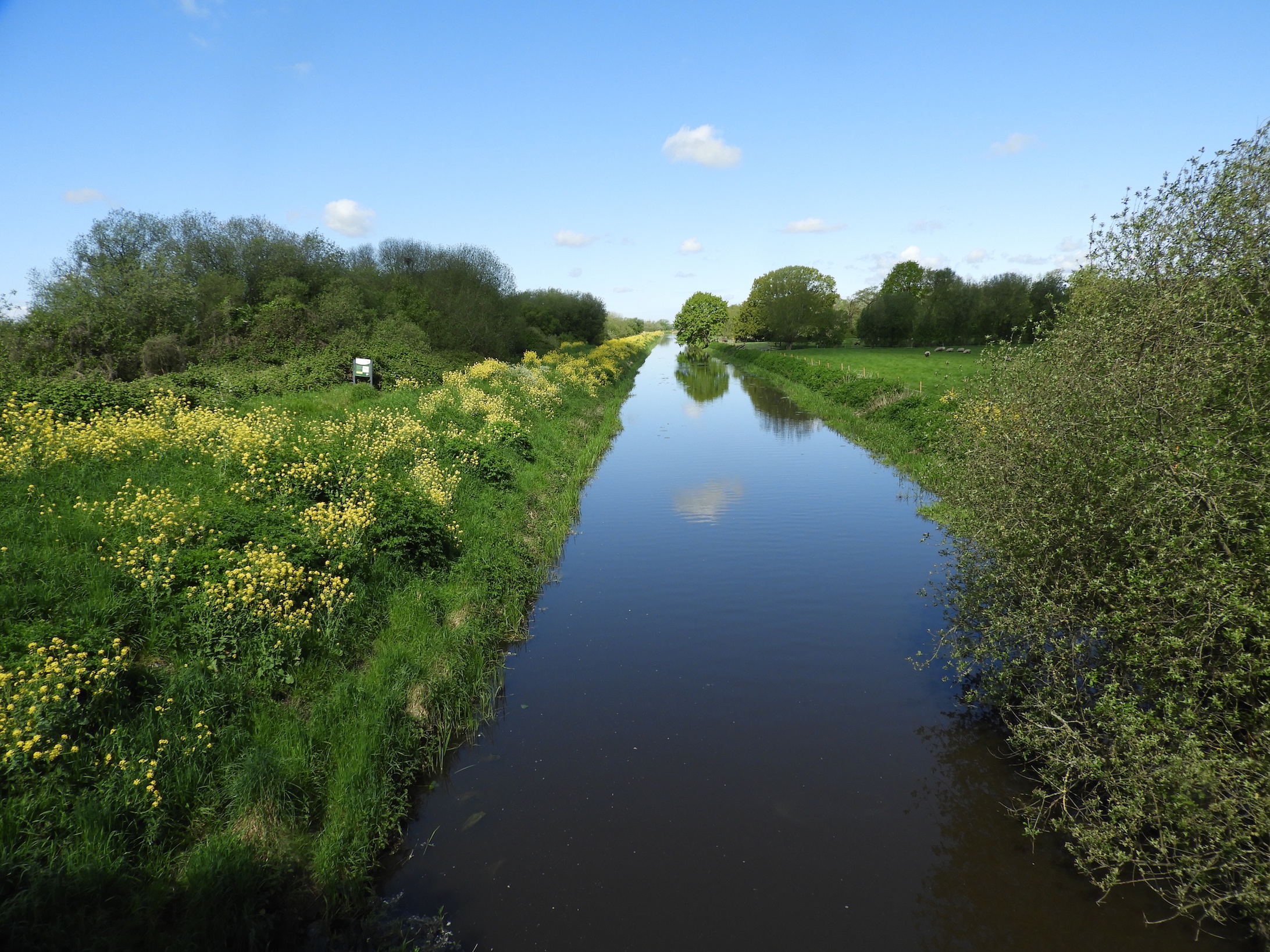
The path runs alongside the main watercourse through the reserve on what was once the
Glastonbury to Bridgewater railway line; in the past this was used to extract the peat from
the many industrial cutting sites in this part of the levels. These old extraction sites have
been re-landscaped into the wetlands that now support so much biodiversity.
There are many hides on the site that afford good, sometimes elevated views across the
reed beds and the group spent time in some of these, which gave opportunities for
photography and a little sketching.
In no time it was time to head back for a final cuppa and farewells.
The wildlife here repays the effort it takes to search it out; it reveals itself if you are
prepared to be patient and the experience of seeing it is so much more rewarding and
special for that.
Thanks to all who shared the day with us.
Trevor Smith
TWASI CHESTER ZOO VISIT, SATURDAY 22nd JUNE, 2024
Participants : Karen & Nev Markham, Jackie Fearn and Michelle Delve.
Although we were small in number, we were very big on enthusiasm!
We met in the car park at just after 10am and made a plan as to what animals
were on our hit list for the day. Tigers are always Jackie’s go-to animal, so
that was a definite choice. Michelle wanted to see Edie, the young Rothschild
giraffe, born at the beginning of March this year. I was keen to see the new
snow leopards, and Nev was happy to go with the flow (although his
favourites are always the cheetahs).
The weather was superb, sunshine all day long. We passed the elephants,
who were showing beautifully, on our way to the giraffe enclosure. It didn’t
disappoint, as Edie the young giraffe was present the whole time that we
were there. She even seemed to be showing off her height by standing next
to the measuring stick, as if to say, “Look mum, see how much I’ve grown!”
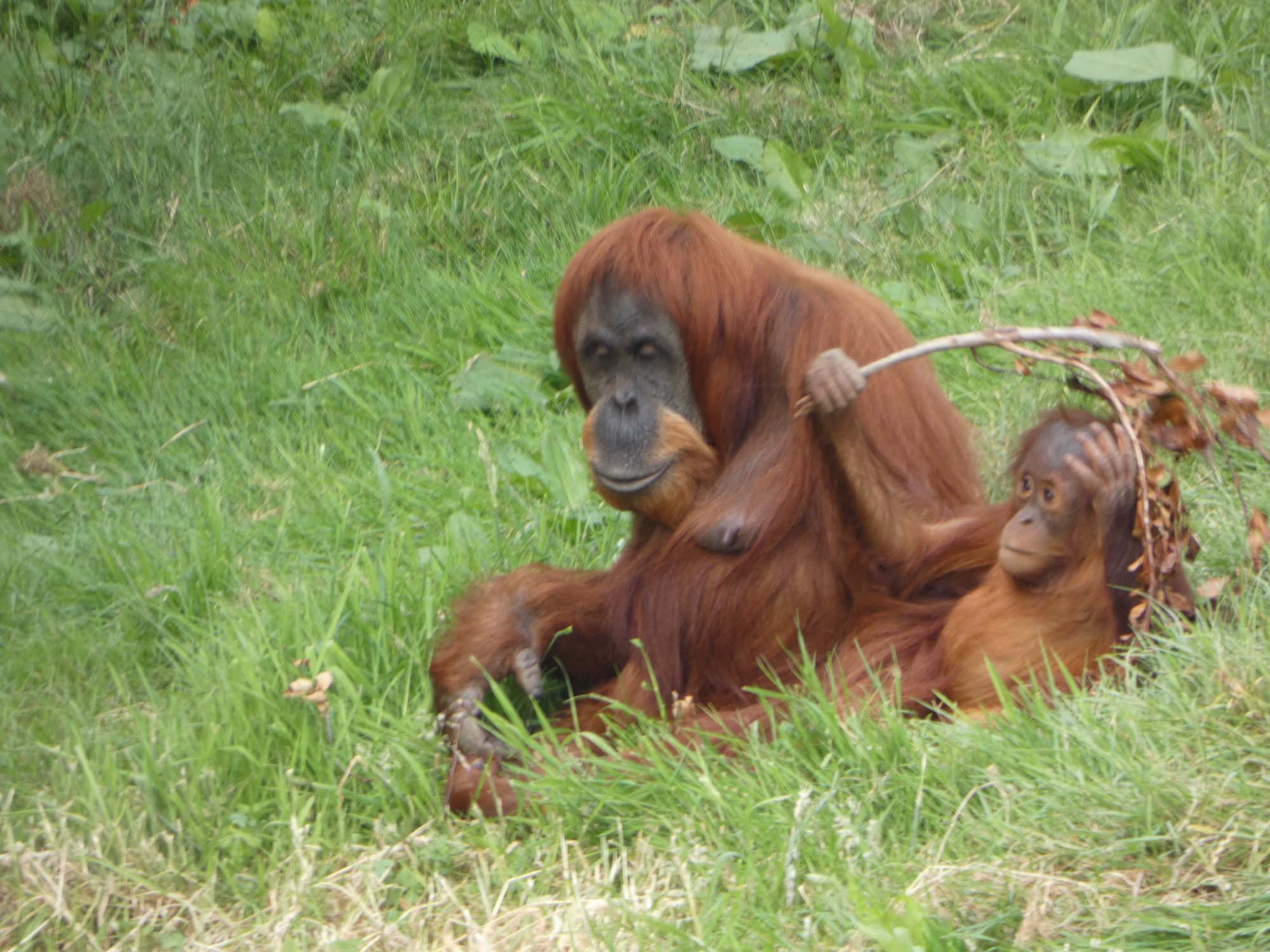
Next we headed to the orangutans and I almost lost the others in spending so
long photographing the youngster, who was born at the end of August 2023. I
had been very fortunate to have seen the baby a few weeks after birth, so it
was great to catch up with him/her again.
After a quick walk through the flamingos and scarlet ibis, we found our way to
the snow leopards. Unfortunately, the pair weren’t very active at all, but the
zoo has very helpfully made their sleeping quarters accessible, so we got
some good views of them sleeping.
We had a pit stop at Manado Street Kitchen to fuel up, before carrying on.
Nev got to see the cheetahs, who were also very sleepy (an effect of the
lovely weather, no doubt!) but unfortunately our quest to see the Sumatran
tiger family ended in defeat. They either show amazingly, or they don’t show
at all. Towards the end of the afternoon we took a walk to The Spirit of the
Jaguar area. We didn’t venture inside this time as we hoped to see at least
one of them in the sunshine. We were not disappointed. Napo, the
magnificent male, decided to perform for the cameras, as he prowled back
and forth several times. Unfortunately, no sign of Inka this time.
This visit was more focussed than previous visits, as we had more of a tick
list to go from. This enabled us to take a little more time with the animals that
we saw, rather than flying around at great speed!
If you have never been to Chester Zoo before, firstly I have to say that it’s a
magnificent zoo to visit, well worth the cost, but my advice would be to
download the app which gives you real time directions on where to go. I
would also have a copy of the map to hand. I love this zoo, but sometimes the
signposting isn’t the best if you want to be somewhere specific.
Overall, we had a great day again, and the most difficult part will be working
out which animal to draw first!
Karen Markham



TWASI VISIT TO WEST MIDLANDS SAFARI PARK – Sunday 14th July
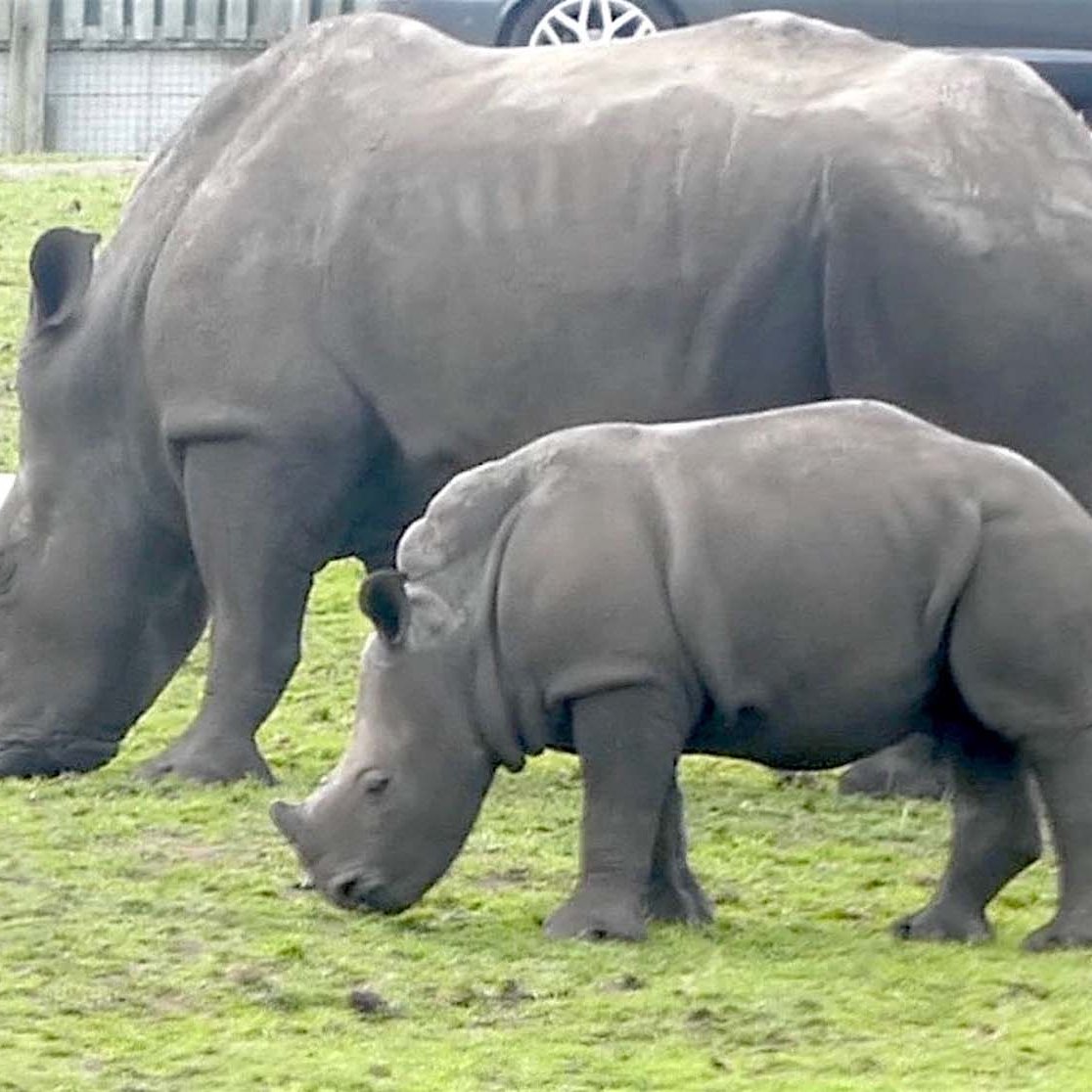
A small group of us spent the day at the West Midlands Safari Park, watching the animals
from our cars and on foot.
We met up first of all by the kiosk in the Car Park, and enjoyed a coffee and a chat before
heading for the Safari Drive.
Driving slowly round the winding road which covers the area took about two and a half
hours, since whenever there was an interesting sight, cars stopped for a while, so you
need to be happy to sit tight for a long time, mostly with the windows closed, and hope
your car doesn’t break down, as two did!
The animals are all in large areas, some of mixed species according to their origin in the
world – eg, Africa, Asia, and you get quite a good view of most, though of course, many,
like the big cats, were all fast asleep. Perhaps in a visit towards the end of the day you
might see them feeling more lively.
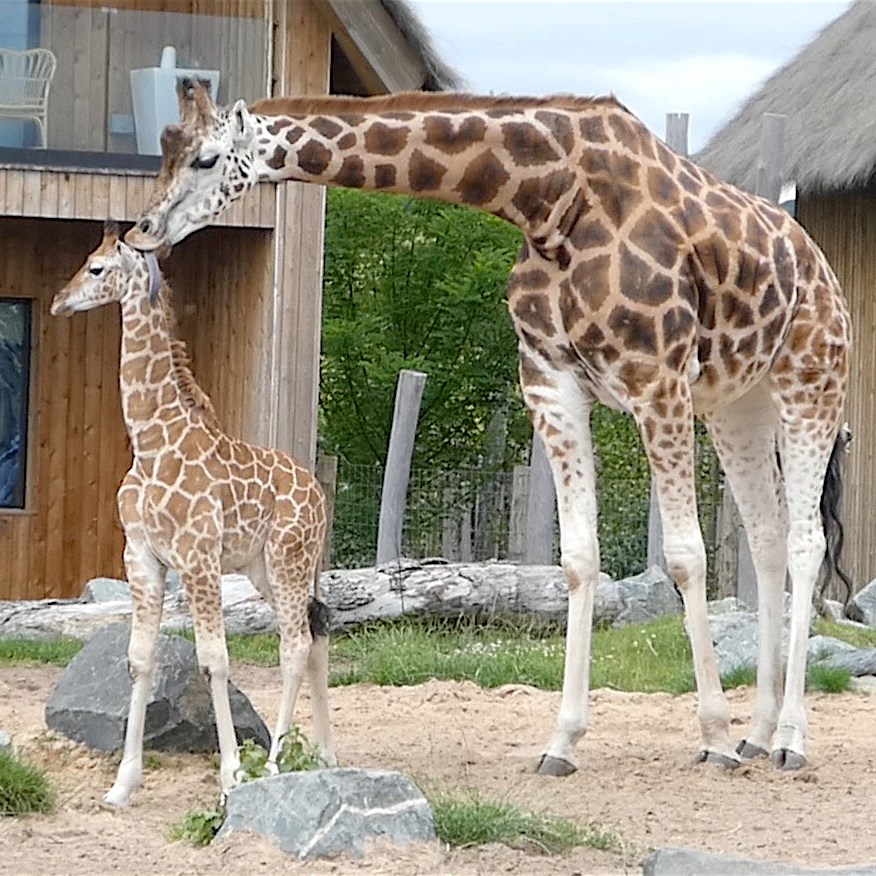
There was a seriously cute young giraffe, and we enjoyed watching a tender moment with
its mother, and saw just how long and blue a giraffe’s tongue is!
There are cafes in the central area where you go round on foot, but we had a picnic lunch
since it was pretty good weather. Some of us then took a look round the Walking routes, which give you a glimpse of the animals from a different angle, and there are also Humboldt Penguins, Red Panda and Sealions to see on foot. I think the walking routes are fairly new, and might be more productive once they are completed.
It was an enjoyable day, and worth the trip – if you book online, the tickets are cheaper.
Sarais Crawshaw


TWASI Visit to Birdworld, Surrey – Sunday 8th September 2024
The weather forecast was not good at all, with heavy rain and thunderstorms, but in true
British fashion three brave souls decided to push on regardless.
After signing in we were greeted by a large group of Whistling Ducks and Chilean Flamingos:
a lovely splash of colour and activity.
Birdworld contribute to many ongoing conservation activities throughout the world, which were
explained in a very informative keeper talk.
During the day there were further well presented talks, coupled with feeding times. A current
project about to be undertaken is the re-introduction of Blue and Yellow Macaws to Bolivia.
Whilst listening to the Pelican talk we heard the first rumble of thunder. It was time for lunch,
so we retired to the covered area at the café.
Next were birds of prey, which included rather bedraggled but equally beautiful, African Brown
owls, Snowy owl, Barn owl, Caracaras and Turkey vultures. The Caracaras and Turkey
vultures were spreading their wings in an attempt to dry out, which made a very impressive
sight.
There were two themed aviary sections. The first being a flowing water area and the second a
coastal estuary. Here we discovered Glossy Ibis, Spoonbills, Eider and Ruddy ducks,
Hamerkop, Avocet, Blacksmith’s Plover, Night Herons, Red-winged Starlings, African Rock
doves, Cormorants and beautiful Inca Terns and a large group of South African Penguins.
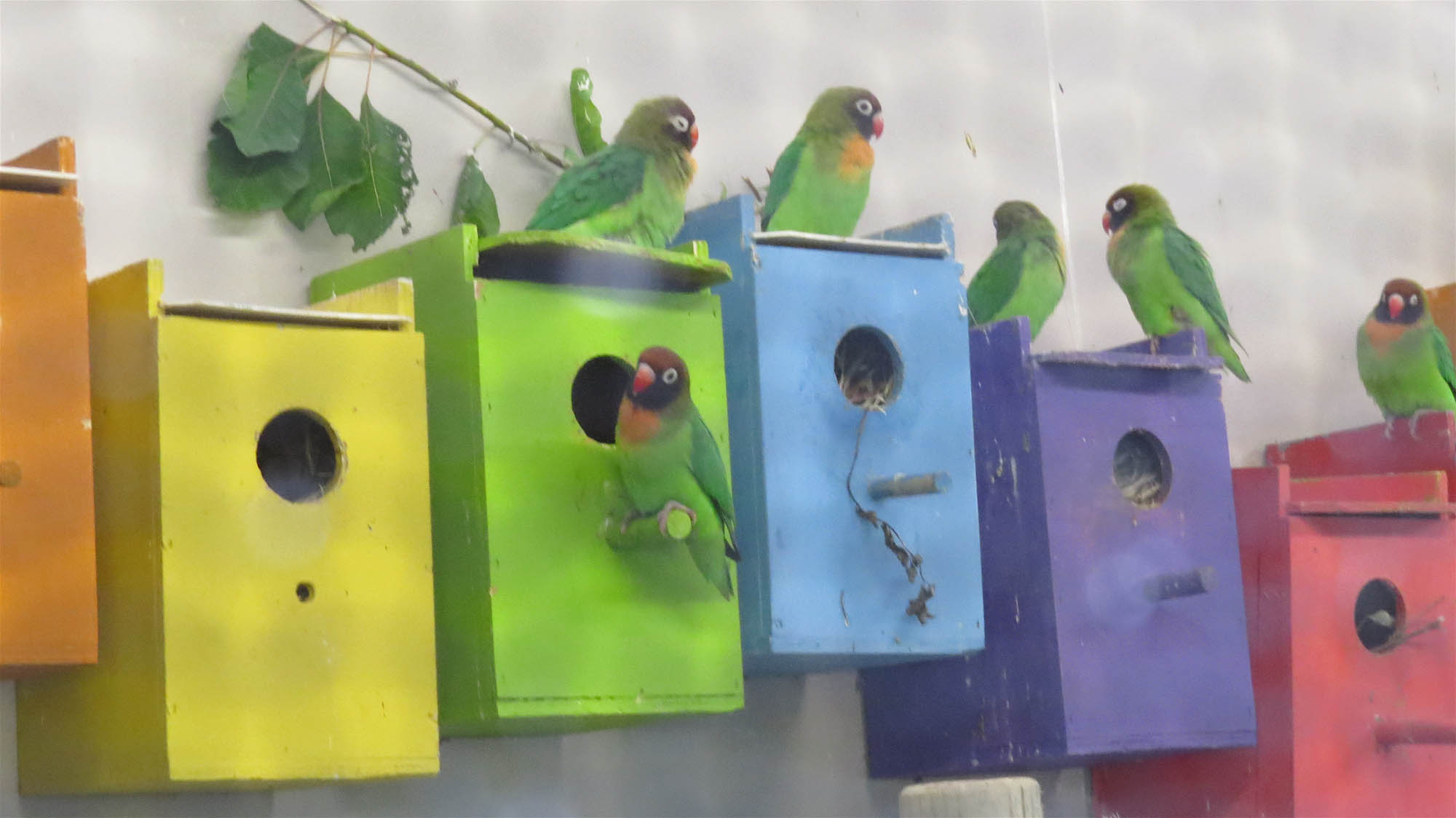
Next to visit was the “Love and Colour” enclosed building. Here were many Love Birds, living
in multi-coloured bird boxes, looking for all the world like pastel shaded miniature beach huts.
Brilliant!
It was a great day out and we saw many more species than there is room to mention here. Of
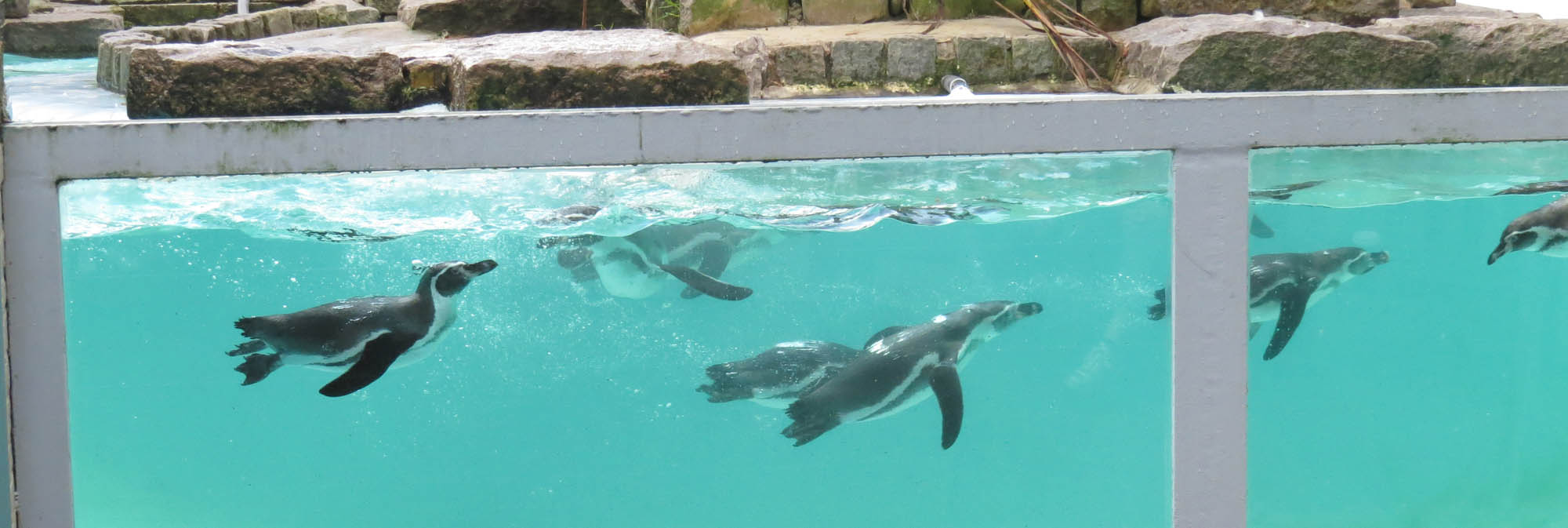
special note was the feeding of the Humboldt Penguins in a well designed, glass fronted,
open enclosure: ideal for viewing the underwater activity at eye level.
Birdworld comes highly recommended for future visits.
Martin Horsfield and Karen Burke

 The Wildlife Art Society International